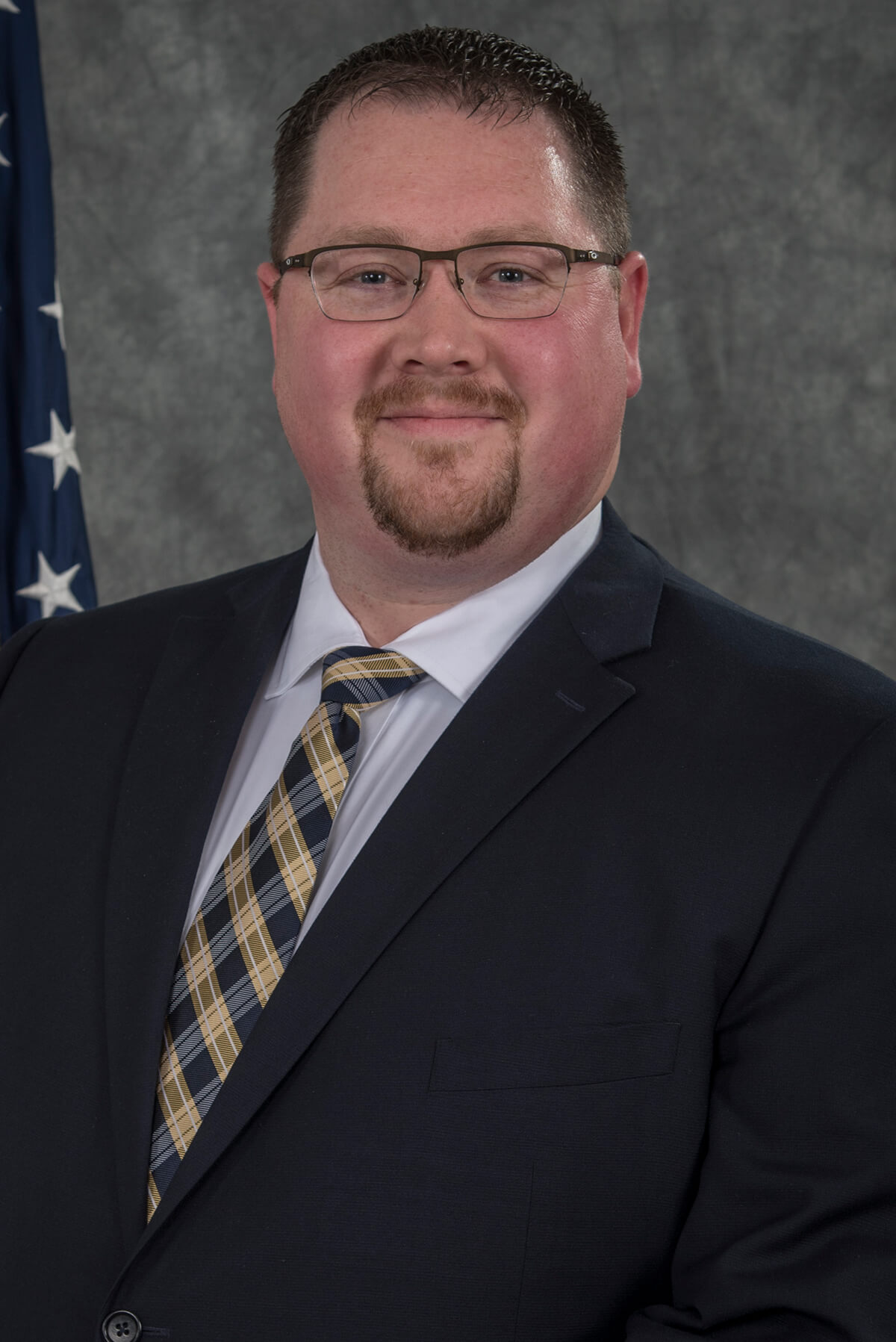

Mayor Thomas M. McDermott, Jr. today announced the promotion of Captain Christopher Gootee to the rank of Assistant Chief of Police for the Hammond Police Department.
Assistant Chief Gootee has served the Hammond Police Department with distinction since July 21, 2005. Over the course of his career, he has steadily risen through the ranks—earning promotions to Corporal in 2013, Sergeant in 2015, Lieutenant in 2023, and Captain in 2025. His broad experience includes service in the Uniform Patrol Division, Evidence Technician assignments, and specialized roles within the Gang Suppression Unit, Special Deployment Unit, and the FBI’s Gang Response Investigative Team (GRIT) Task Force.
A graduate of Northwestern University’s prestigious School of Police Staff & Command, Gootee has been recognized with numerous honors throughout his career, including the Hammond Police Department Lifesaving Award, Lakeshore Chamber of Commerce Officer of the Year, Hammond Optimist Club Officer of the Year, FBI Task Force Officer of the Year, and the National HIDTA Director’s Award.
“Chris Gootee has demonstrated leadership, professionalism, and a deep commitment to public safety throughout his career,” said Mayor McDermott. “While this promotion comes relatively early compared to traditional timelines, his track record, training, and performance make him exceptionally qualified for this role. I have full confidence in his ability to serve the residents of Hammond at the highest level.”
As Assistant Chief, Gootee will serve under the leadership of Police Chief Jeff Long, supporting the department’s operations and continuing its mission of protecting and serving the Hammond community.
Chief Long added, “Chris has earned this opportunity through his work ethic and leadership. I look forward to working closely with him as we continue to move the department forward.”
A lifelong resident of Hammond, Assistant Chief Gootee brings not only professional experience but also a personal commitment to the community he serves.
Captain Gootee’s promotion will create a vacancy in the Detective Bureau. That position will remain open pending further evaluation and a future personnel decision.